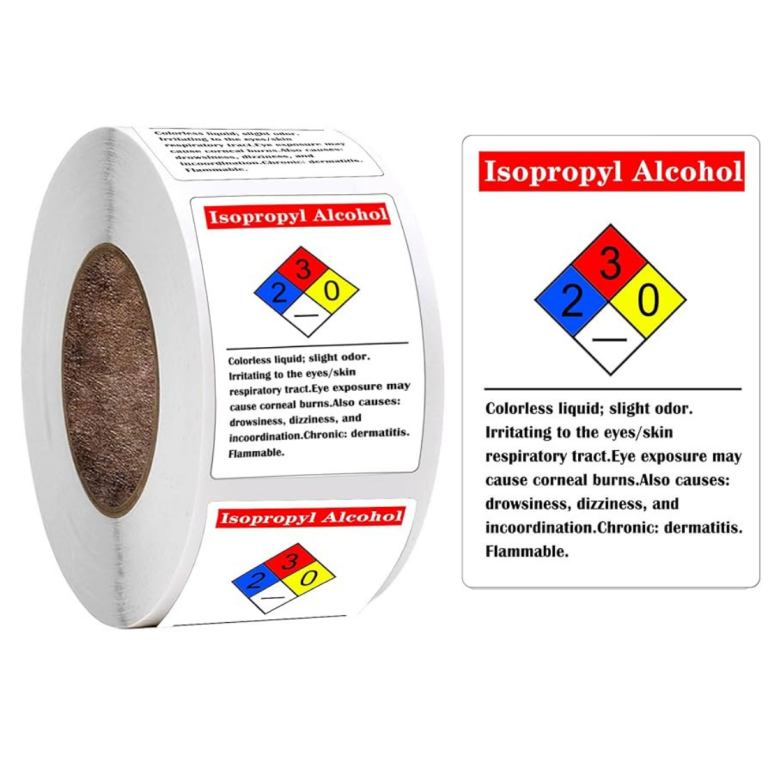
Should Alcohol Have Warning Labels? Exploring the Importance of Sticker Warnings
The conversation around alcohol warning stickers has gained momentum as researchers and health advocates push for greater transparency regarding alcohol’s health risks. From labeling alcohol as a carcinogen to detailing its broader health implications, there’s growing pressure for manufacturers to prioritize warning labels on their products. But why are these labels significant, and what does the latest research reveal about alcohol’s effects on our health?
The Science Behind Alcohol Health Warnings
As more studies unveil the direct correlation between alcohol consumption and health risks, the call for clear alcohol health warnings becomes increasingly critical. According to a latest study on alcohol consumption, even moderate drinking may carry long-term health consequences. Unlike decades past, when alcohol’s effects were less understood, modern science underscores that no amount of alcohol is entirely safe.
One debated topic is the comparison of alcohol carcinogen vs tobacco. Both substances are classified as carcinogens, yet the public remains less informed about the cancer risks of alcohol. A stronger emphasis on alcohol cancer warning labels could bridge this knowledge gap, much like how tobacco warnings have shaped public awareness over the years.
Why Should Alcohol Have Warning Labels?
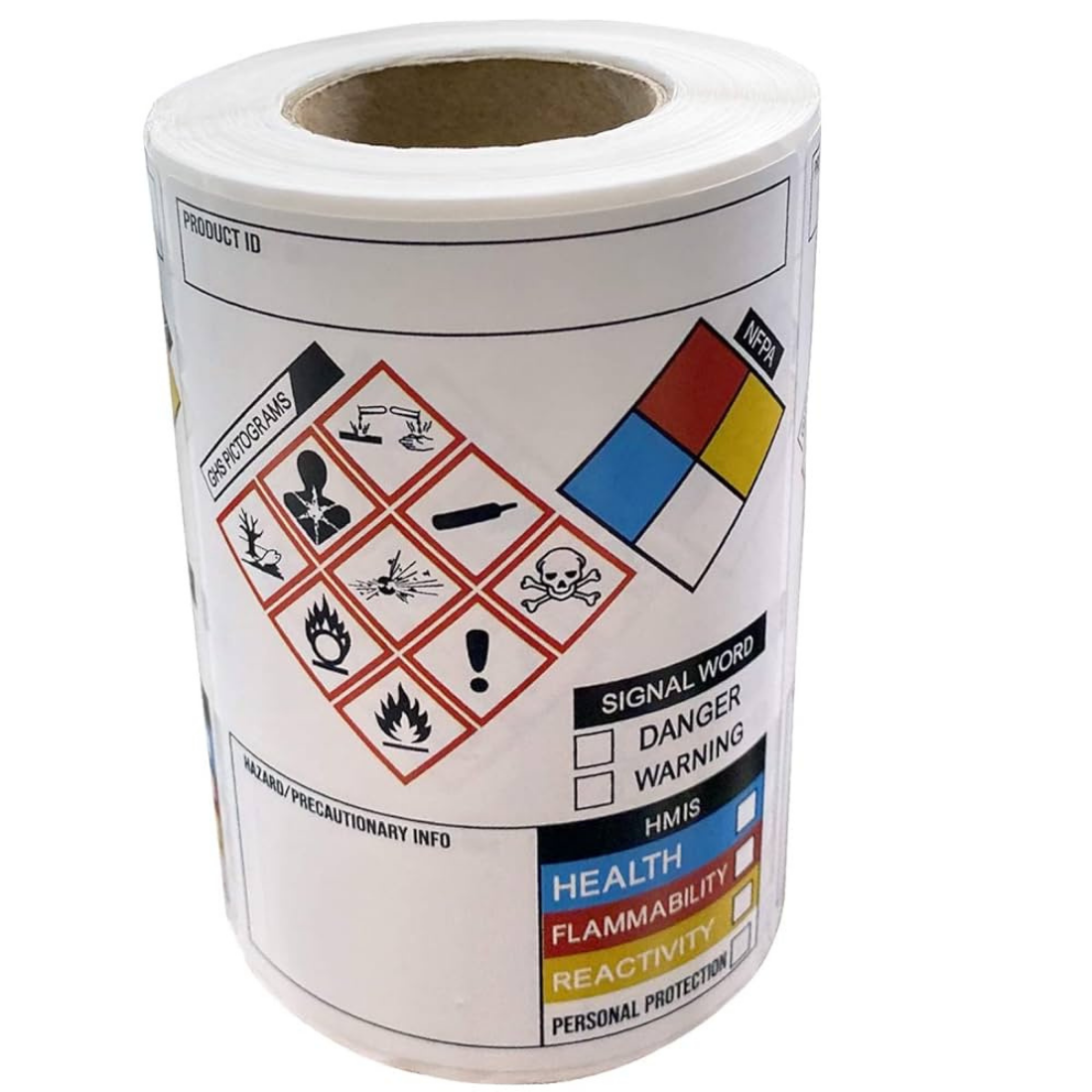
The question remains: should alcohol have warning labels? The answer largely depends on health advocacy and public responsibility. As stakeholders in the packaging industry, we understand the critical role of clear and compliant labeling. More vividly, certain labels compel consumers to evaluate their choices, potentially reducing harmful alcohol intake.
A comprehensive alcohol intake and health report released by health authorities highlights the need for intervention. Warning stickers do not solely educate consumers but also push manufacturers to disclose risks transparently. Here, Custom Alcohol Warning Stickers become crucial. Tailored designs allow brands to comply with regulations while standing out commercially.
Alcohol Consumption: Lessons from the Johns Hopkins Alcohol Study
Groundbreaking insights from the Johns Hopkins alcohol study reveal alarming data about alcohol’s relationship with chronic illnesses and cancer. Over time, inadequate labeling has contributed to misinformation or outright ignorance of these risks. Aligning with these findings, packaging manufacturers should stress the significance of concise, visually impactful warning stickers.
Our expertise lies at the intersection of packaging innovation and public health priorities. Leveraging our deep industry knowledge, we enable brands to create ethical, compliant designs that strike a balance between effective messaging and market appeal.
Moderation in Alcohol: Fact or Myth?
The belief that “moderation saves all” is ubiquitous in modern life. However, is there truth behind the query, is alcohol in moderation bad for you? Contrary to popular beliefs, evidence suggests that moderate alcohol consumption still contributes to a host of health issues, including cardiovascular diseases and liver damage. This refocuses attention on crafting warnings that resonate broadly—from occasional drinkers to heavy consumers.
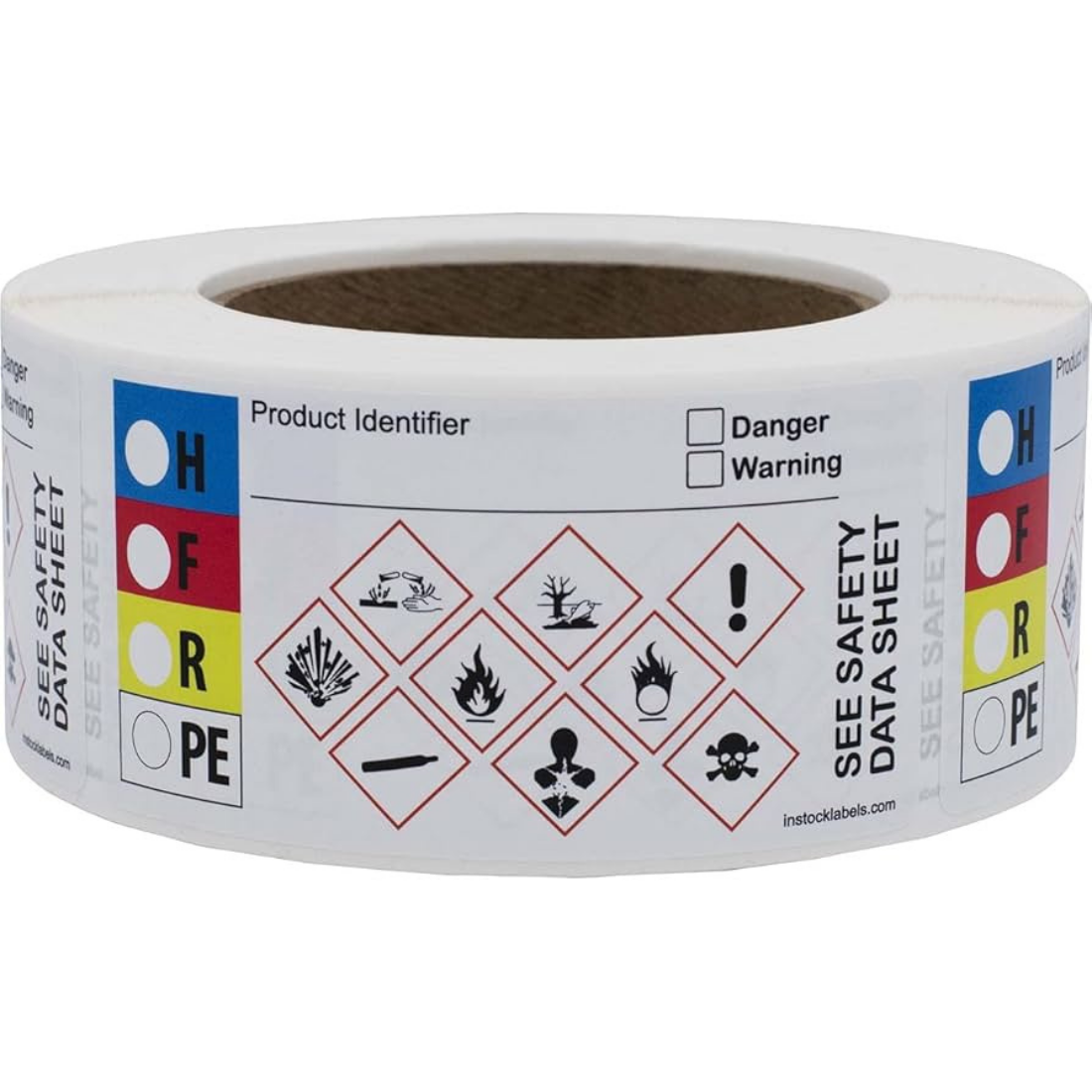
As experienced manufacturers, we emphasize using high-quality materials and attention-grabbing designs to ensure your labels deliver their intended message effectively. Custom designs, especially those employed in alcohol warning stickers, enable businesses to meet regulatory standards while serving as a trust-building tool with consumers.
Conclusion
The evidence is clear: alcohol consumption has critical implications for human health, and effective warning labels serve as a necessary intervention to communicate these risks. By advocating for accurate labeling and actionable warnings, businesses can take a meaningful step towards public safety and corporate accountability. Our team at Sticker Printing Co UK is committed to helping businesses achieve these goals with expertly crafted, regulatory-compliant alcohol warning stickers.
Engage with relevant research, invest in best practices, and partner with an industry-leading sticker provider to demonstrate your commitment to consumer health and trustworthiness. Labels are more than just packaging—they’re a responsibility.