Everything You Need to Know About RFID Stickers: Applications, Benefits & Programming
Radio Frequency Identification (RFID) stickers have become indispensable tools in modern inventory management, asset tracking, and beyond. These versatile tags are designed to store and transmit data wirelessly, revolutionizing the way businesses gather and analyze information. But what exactly are RFID stickers, and how can they serve your specific needs? As experts in RFID stickers for inventory, tracking, and more, we’re here to provide clarity and actionable insights.
In this comprehensive guide, we’ll delve into the types, applications, and benefits of RFID stickers, including practical advice on how to program them to suit your requirements. You’ll also find valuable tips straight from our industry expertise. Whether you’re searching for “Rfid stickers near me” or looking for programmable solutions, this resource is for you.
What Are RFID Stickers?
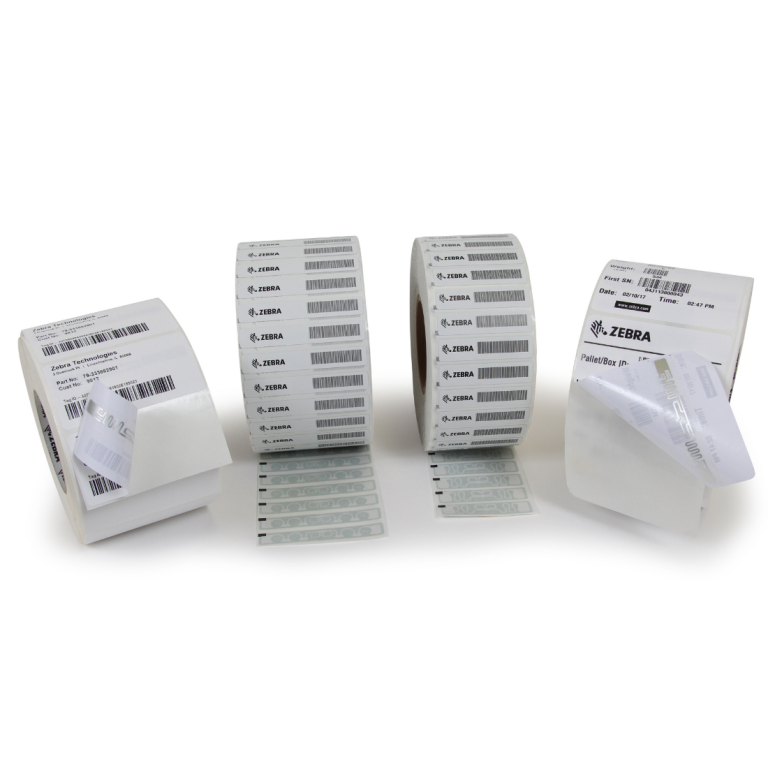
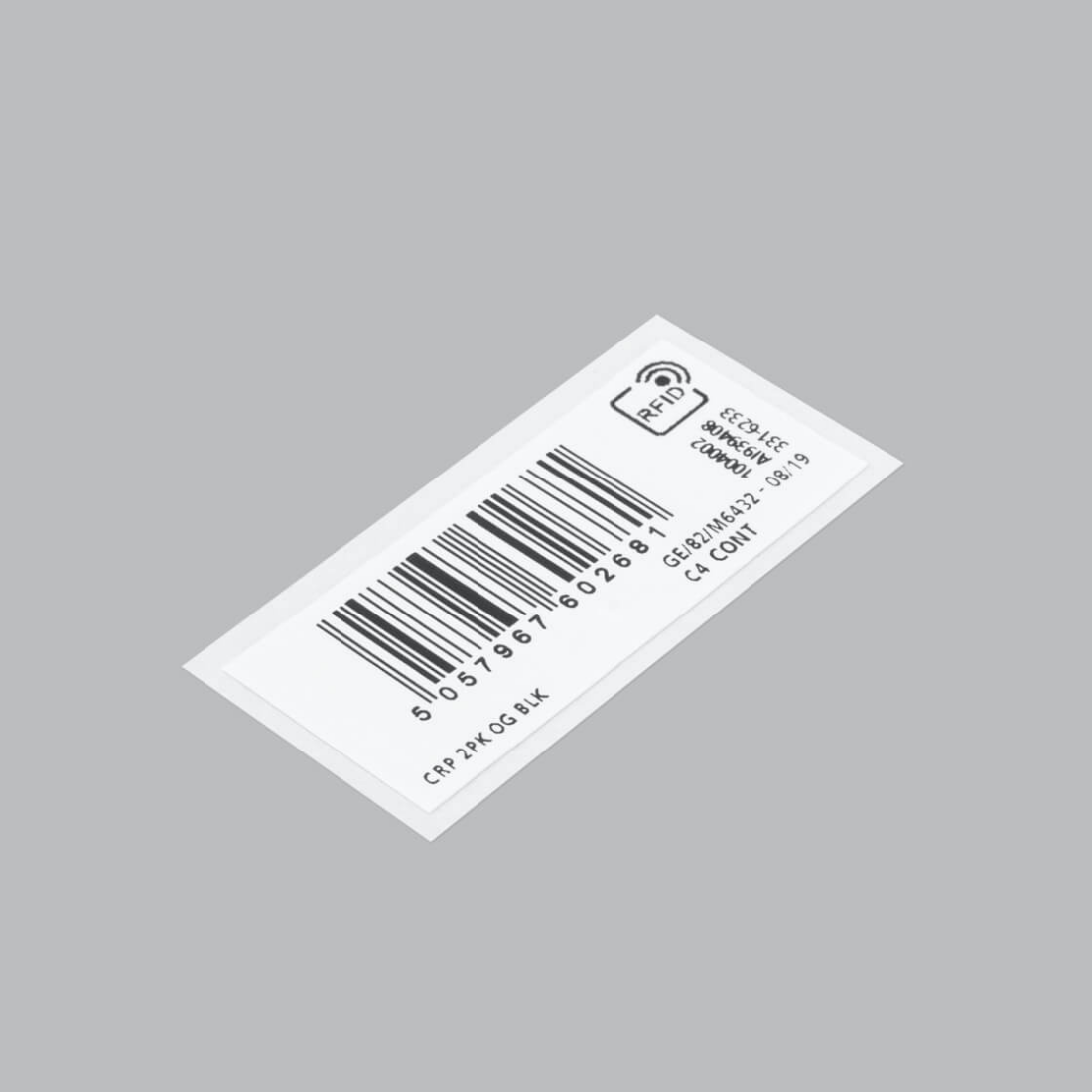
RFID stickers are adhesive tags embedded with Radio Frequency Identification (RFID) technology. They include a microchip and an antenna, which allow them to store data and communicate with RFID readers wirelessly. When placed on objects, these stickers can transmit stored information such as serial numbers, location details, or other data when scanned. This functionality is what makes RFID stickers for tracking so valuable across industries.
Unlike barcodes or QR codes, RFID stickers don’t require line-of-sight scanning. They can be read from a distance, making them much more efficient for managing large inventories or automating asset identification.
Key Applications of RFID Stickers
RFID stickers serve a wide array of purposes, catering to diverse industries and needs. Custom solutions have allowed businesses to tailor their RFID implementations for maximum impact. Below are some of the main applications:
1. Inventory Management
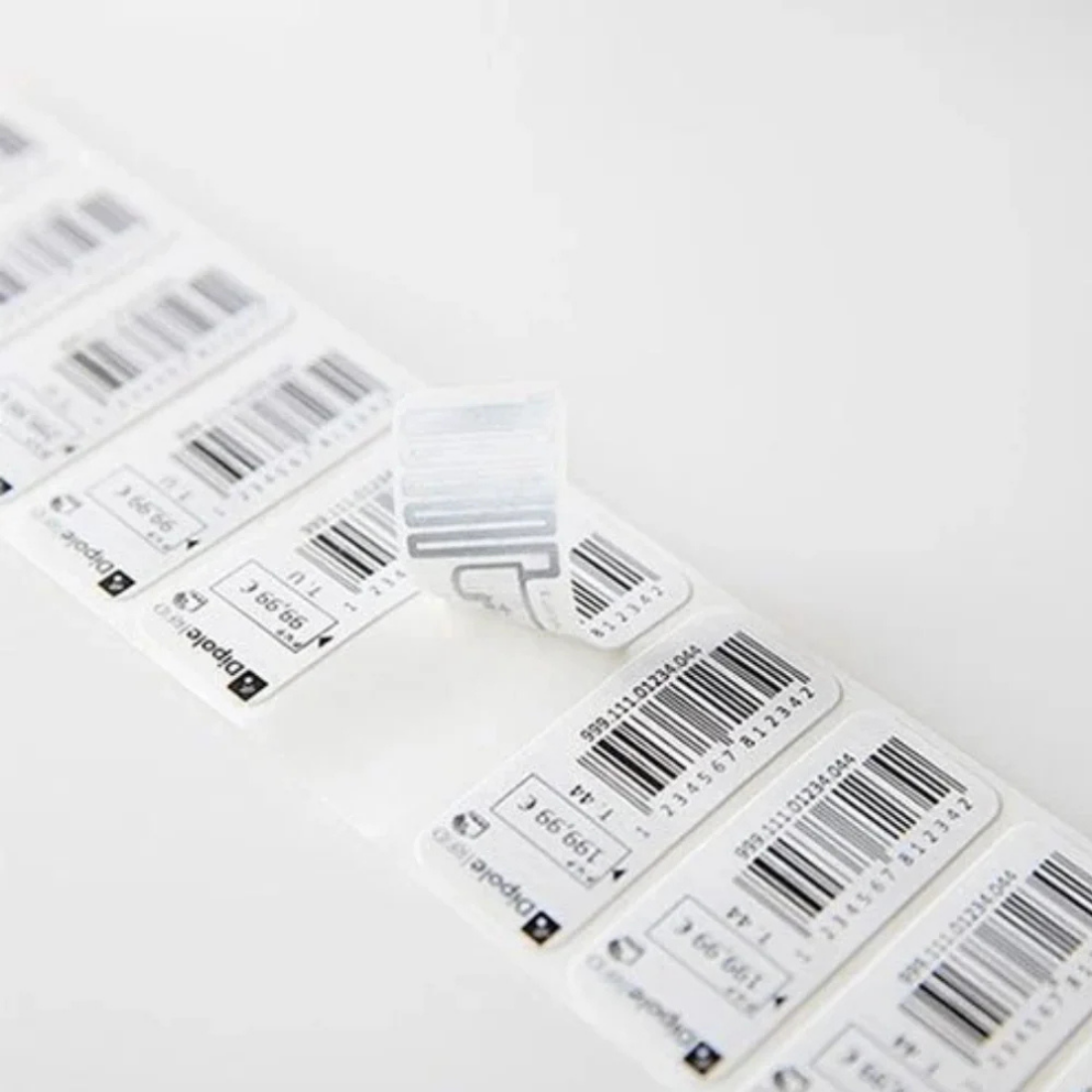
Using RFID stickers for inventory is one of the most popular applications. Traditional inventory management methods can be labor-intensive and prone to errors. RFID technology solves these issues by enabling real-time tracking and automated updates. This is especially useful for retail settings, warehouses, and manufacturing plants.
2. Asset Tracking
RFID stickers for tracking assets streamline logistics and improve operational efficiency. They’re commonly used in industries such as healthcare (to track medical equipment), construction (for tool management), and IT (to monitor hardware).
3. Automotive Identification
RFID stickers for cars are widely used for toll collection systems, vehicle tracking, and parking entry management. Simple adhesive tags placed on windshields can communicate with RFID readers, enabling fast and contactless interactions.
4. E-Commerce and Retail
From product authentication to seamless checkout processes, RFID stickers are transforming retail. RFID tags help reduce theft, improve inventory visibility, and ensure faster customer experiences.
5. Personalized Solutions
With Custom RFID Stickers, you can design tags that perfectly suit your project’s needs. Customization extends beyond size and shape to include specific data requirements, material durability, and environmental resistance.
How to Program RFID Stickers
Wondering how to program RFID stickers? It’s easier than you might think, especially if you’re leveraging programmable RFID stickers tailored to your needs. Here’s a step-by-step guide:
- Choose an RFID Reader/Writer: Before programming, you’ll need an RFID scanner capable of both reading and writing data.
- Select Your Software: Specialized software is required to interface with your RFID reader. Most software solutions are user-friendly, with clear steps for data input.
- Input the Data: Define the data you want to encode on the RFID sticker. This could include product IDs, location details, or timestamps.
- Write the Data to the Sticker: Place the sticker close to the writer, follow on-screen prompts, and allow the data to be written. Ensure the process is complete before removing the sticker.
- Test the Sticker: Using the RFID reader, scan the programmed sticker to verify the data has been accurately written.
For businesses looking to scale, programmable RFID stickers are an excellent choice. Platforms such as Rfid stickers Amazon have made accessing these tools much simpler.
Benefits of RFID Stickers
Why should businesses invest in RFID technology? Here are some advantages:
- Efficiency: RFID stickers optimize processes such as inventory counts and asset identification.
- Accuracy: Minimize human errors normally associated with manual tracking methods.
- Scalability: RFID systems can grow with your business, supporting more extensive data sets and larger inventories.
- Durability: Many RFID stickers are designed for rugged environments, enduring moisture, heat, and exposure to chemicals.
Looking for “Rfid stickers near me?” Our available selection ensures you’ll find options tailored to your specific requirements.
Conclusion
RFID stickers are revolutionary tools that unlock efficiency, precision, and automation across numerous industries. From enhancing inventory management to providing seamless tracking for vehicles and assets, they have become indispensable for businesses striving to stay competitive. Whether you need solutions for RFID stickers for cars, tracking, or programming, the right sticker can transform your operations.
At Sticker Printing Co UK, we specialize in delivering high-quality, customized RFID stickers that meet your demands. Explore our selection today and experience the difference RFID technology can make for your business. Let us help you design solutions that add real value.